
Blog

Your Guide to Healthy Eating in Saudi Arabia: A Modern Twist on Traditional Dishes

Saudi Arabian cuisine is renowned for its rich flavors, generous hospitality, and deep cultural roots. From the aromatic spices of Kabsa to the comforting warmth of Jareesh, these dishes are a source of national pride. As health awareness grows across the Kingdom, many are seeking ways to honor these traditions while nourishing their bodies for modern life.

This guide is designed to help you enjoy the best of Saudi cuisine with a healthy, contemporary twist. It’s not about restriction; it’s about smart, simple swaps that boost nutritional value without sacrificing taste.


 

The Core Principles of Healthy Saudi Cooking
Adapting traditional recipes for a healthier lifestyle is easier than you think. By focusing on a few key principles, you can transform any meal.

1. Prioritize Lean Proteins: Traditional dishes often use lamb, which can be high in fat. Options for leaner cuts of lamb, skinless chicken breast, or fish. Legumes like chickpeas and lentils are also excellent protein-packed alternatives.

2. Choose Whole Grains: Swap white rice and white flour for nutrient-dense whole grains. Brown or wild rice in your Kabsa and whole-wheat flour for breads like Marquq or baked Samboosa will increase fiber, which aids digestion and promotes satiety.

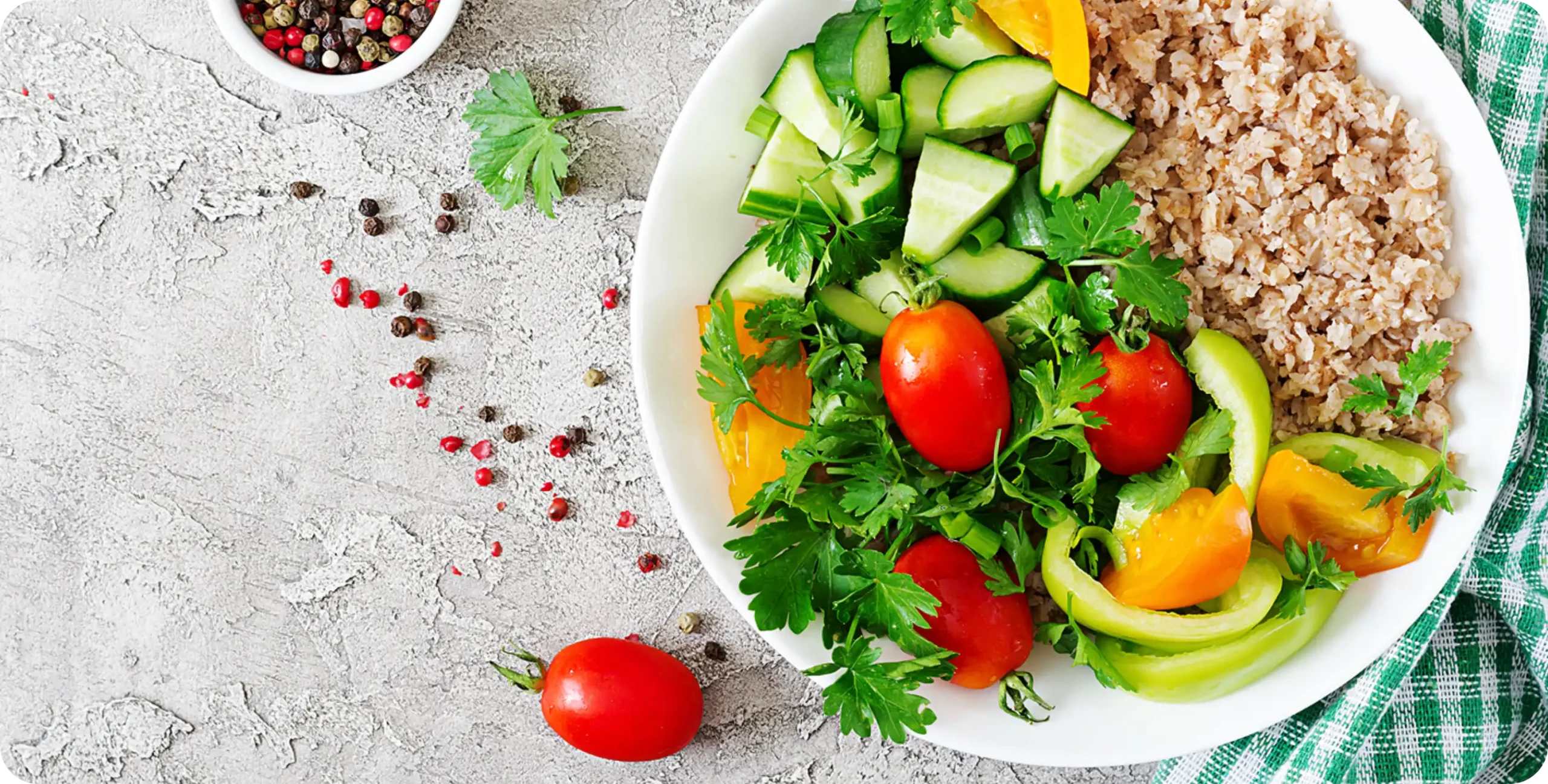
3. Boost the Veggies: Don’t let vegetables be a mere garnish. Generously add a variety of colorful vegetables to stews, rice dishes, and salads. They provide essential vitamins, minerals, and antioxidants.

4. Embrace Healthy Fats: Replace ghee and excessive oil with healthier fats like extra virgin olive oil. Nuts and seeds, staples in Middle Eastern cuisine, are also fantastic sources of healthy fats.

5. Rethink Your Cooking Method: Instead of deep-frying, explore other cooking techniques that preserve flavor and nutrients.

  • Baking: Perfect for Samboosa, Kibbeh, and even chicken.
  • Grilling: Ideal for meats and vegetables, providing a smoky flavor without the extra fat.
  • Steaming: Gently cooks vegetables, preserving their vibrant color and nutrient content.

6. Building a Balanced Plate: A healthy Saudi meal is about balance. Use this simple plate model for your main meals:

  • ½ Plate: Non-starchy vegetables (salad, steamed okra, grilled eggplant).
  • ¼ Plate: Lean protein (grilled chicken, fish, beans).
  • ¼ Plate: Whole-grain carbohydrates (brown rice, freekeh, whole-wheat bread).

Embracing a healthier lifestyle is a journey of enhancement, not deprivation. By making thoughtful adjustments to our cherished traditional recipes, we can fuel a vibrant, healthy future for generations to come, staying true to our cultural heritage while prioritizing our well-being.